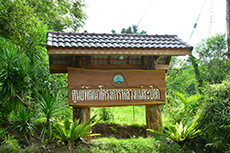
Mae Sa Pok Royal Project Development Center
History
Terrain
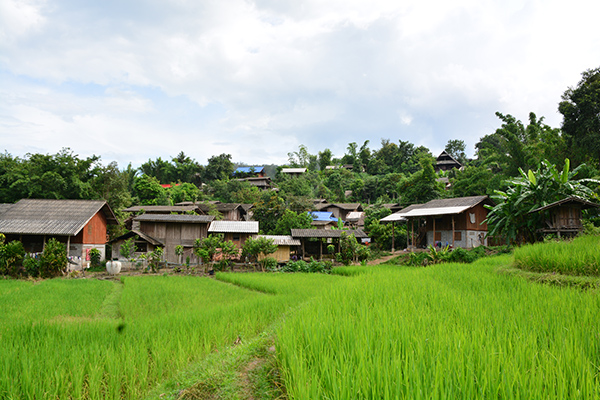
The area is plains between valleys covering more than 27,390 rai or 10,829 acres.
Altitude
500 - 900 เมตร meters above sea level
Average Temperature
25 degree Celsius
Population
There are more than 3,843 Karen and lowland people living in 7 villages and 8 communities.
Operation
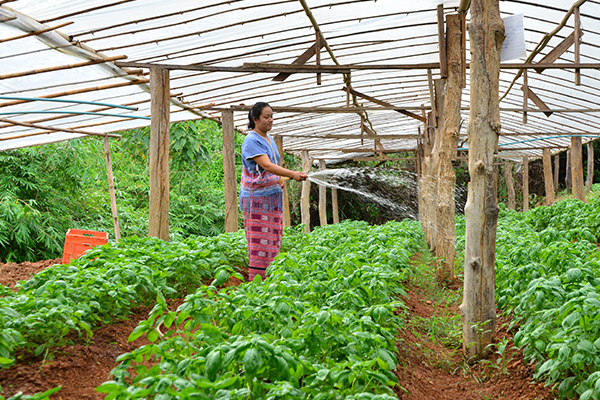
Mae Sa Pok Royal Project Development Center these days aims to develop and support local farmers to cultivate vegetables and fruits under Food Safety Standards: Good Agricultural Practices (GAP) and Organic Standard. The cultivation of herbs, temperate fruits as well as sub-tropical fruits, foliage trees, field crops, arabica coffee and black-boned chicken farming are also supported in order to generate sustainable income and improve quality of life quality of local farmers. Moreover, the supports are provided for the engagement of individual and community strengths, natural resource conservation, reforestation project called “Three Forests, Four Benefits”, soil & water conservation by vetiver grass growing and campaigns on chemical use reduction as well as environmental contamination monitoring. The center has become a learning center on highland agriculture for students, farmers and other interested people.
Main Products
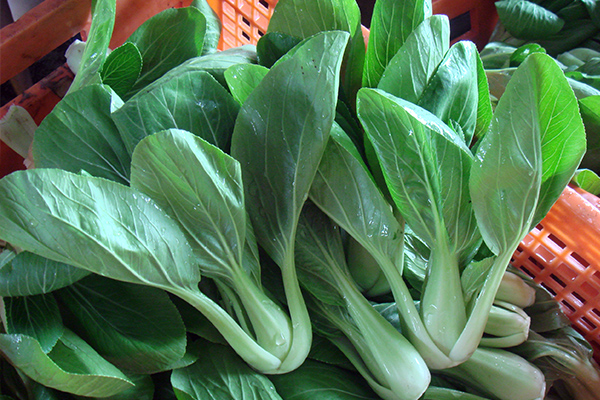
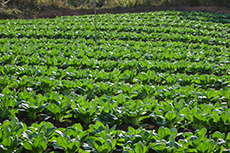
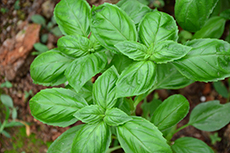
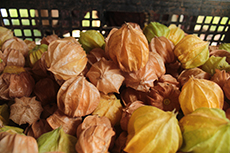
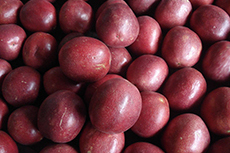
Baby pak choi, cabbage, Chinese cabbage, zucchini, Chinese mustard, French bean, green bitter gourd, white mugwort, passion fruit, cape gooseberry, Nual-Kham mango, upland rice, lowland rice, gerbera, rose, chicken, and pig.
Location
200 Moo 5, Mae Win Sub-district, Mae Wang District, Chiang Mai 50360 (Tel: 053 268 512)
maesapok@royalproject.org
ดาวน์โหลด
ดาวนโหลดข้อมูล (pdf) :
Mae Sa Pok Royal Project Development Center Data.
How to get there