Mon Ngo Royal Project Development Center
History
The center started its work in 1985 when the local Hmong people earned their living by illegal logging and shifting practices for opium poppy growing. The Royal Project Foundation, therefore, promoted and supported temperate crops to replace their opium poppy growing. The foundation has also developed community infrastructure.
Terrain
Most of the area is a complex mountainous terrain with hilly evergreen forest and mixed deciduous forest covering 52 km2 or 12,849.5 acres.
Altitude
500 – 1,250 เมตร meters above sea level
Average Temperature
24 degree Celsius
Population
More than 2,076 lowland and Hmong people live in 7 villages and 17 communities.
Operation
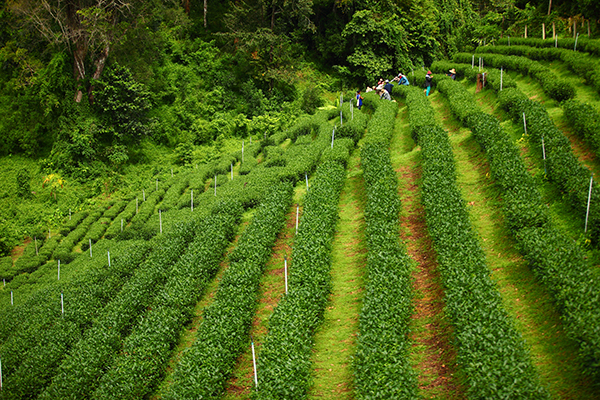
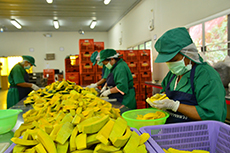
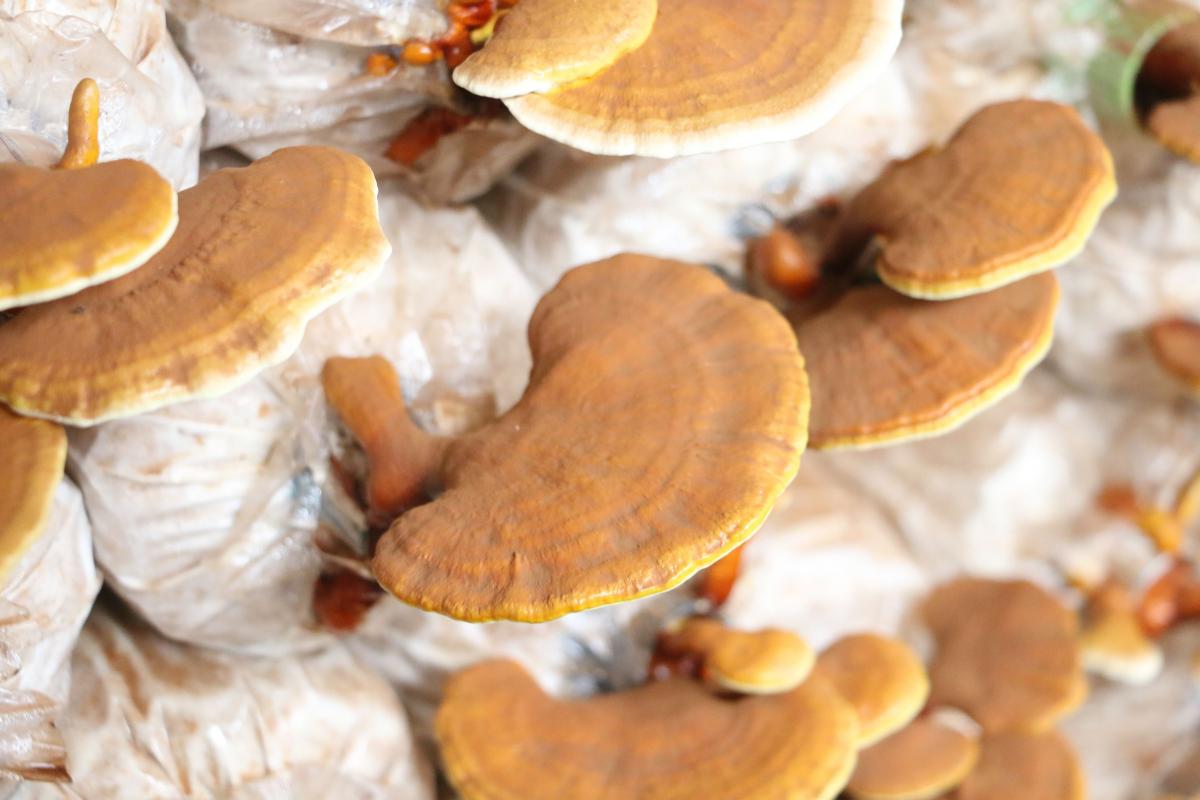
At present, field demonstration plots have been set up in the center area to find out suitable crop varieties for local climate and environment. The center also supports local farmers to produce agricultural products under Food Safety Standards such as Good Agricultural Practices (GAP) including flowers, mushroom, coffee, Chinese tea and vanilla to generate sustainable income and improve the farmers’ livelihood. Furthermore, the center strengthens individual and community engagement as well as encourages drug prevention, hygiene development, young farmer development, natural resource and environmental conservation, reforestation project known as “Three Forests, Four Benefits”, soil and water conservation by vetiver grass growing, chemical use reduction campaign, and environmental contamination monitoring campaign. The center is now becoming a learning center on highland agriculture for students, farmers and others interested people.
Main Products
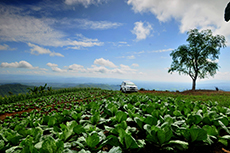
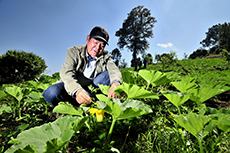
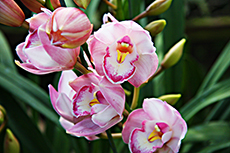
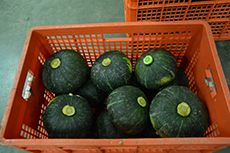
Japanese pumpkin, pointed cabbage, cos, mushroom, cymbidium, lady’s slipper, avocado, persimmon, passion fruit, Chinese tea and Arabica coffee.
Location
Moo 4 Mueang Kai Sub-district, Mae Taeng District, Chiang Mai 50150 (Tel : 09 5675 3848)
monngo@royalproject.org
ดาวน์โหลด
ดาวนโหลดข้อมูล (pdf) :
Mon Ngo Royal Project Development Center Data.
How to get there